
At 61, Madonna still maintains a high-intensity stage presence; Michael Schumacher woke up after six years in a coma; martial arts stars recover quickly from knee wear and tear — behind these health miracles lies stem cell therapy. Today, this technology has become a new health choice for the global elite, and its popularity is the triple resonance of medical breakthroughs, class demands, and resource advantages.

At 61, Madonna still maintains a high-intensity stage presence; Michael Schumacher woke up after six years in a coma; martial arts stars recover quickly from knee wear and tear — behind these health miracles lies stem cell therapy. Today, this technology has become a new health choice for the global elite, and its popularity is the triple resonance of medical breakthroughs, class demands, and resource advantages.
1、 Why Can Stem Cells Become the "Universal Repairer"?
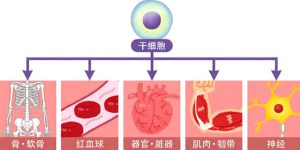
Stem cells are like "universal seeds" with two core characteristics: self-renewal and multipotential differentiation. They can differentiate into various functional cells such as nerve and cartilage cells, and secrete growth factors to regulate the internal microenvironment, forming the body's inherent "repair system".
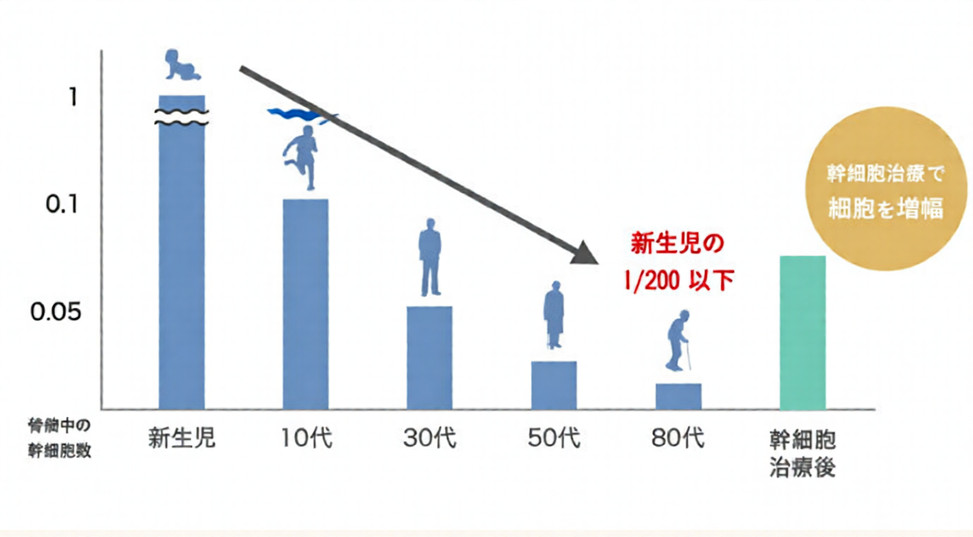
This system declines with age: after 30, the number of stem cells decreases by 0.5%-1% annually, leading to problems such as skin sagging and decreased physical fitness. Stem cell therapy externally supplements healthy cells to enhance repair capacity, fundamentally solving the problems of tissue damage and aging.
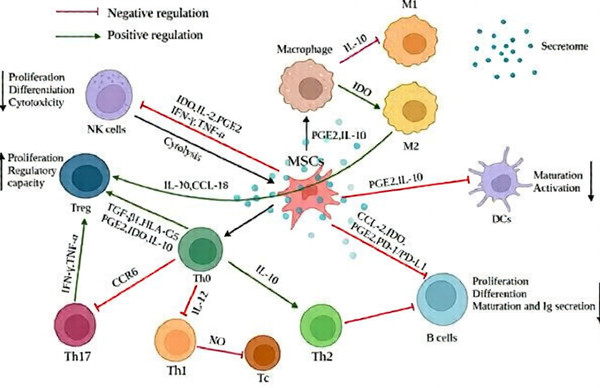
Mesenchymal stem cells (MSCs), the most widely used in clinical practice, have become the mainstream due to their diverse sources (umbilical cord, bone marrow, adipose tissue, etc.) and low immunogenicity (less likely to cause rejection).
Its repair mechanisms mainly include:
- 1. Directed differentiation to replace damaged cells (e.g., repairing worn cartilage). Data from Nature Medicine (2023) shows an effectiveness rate of 83%, significantly higher than traditional surgery;
- 2. Paracrine effect to regulate the microenvironment: secreting cytokines to promote angiogenesis and inhibit inflammation. Data from Harvard University (USA) shows a 79% healing rate for diabetic foot;
- 3. Immune regulation to intervene in chronic diseases: reshaping immune balance, enabling some lupus patients to achieve drug-free remission for more than six months.
Its three core application scenarios precisely meet the needs of the wealthy: anti-aging conditioning to improve skin and physical fitness, accelerated recovery from sports injuries, and chronic disease intervention to alleviate symptoms. This "precise targeting + root cause repair" characteristic is an irreplaceable core advantage compared to traditional health preservation.
2、The Threefold Underlying Logic of the Wealthy's Pursuit
The wealthy's pursuit of stem cell therapy is the result of the combined effect of economic strength, demand upgrading, and resource advantages — a precise match between high-end medical resources and the health needs of the elite.
(1) Economic Strength: "Health Investment" Amid High Costs
High costs are the key to its initial popularity among the wealthy: domestic basic anti-aging treatments cost 15,000-60,000 RMB per session, sports injury treatments 30,000-120,000 RMB, and full-course treatment for complex diseases 400,000-1,000,000 RMB. The international market is even more expensive — Kim Kardashian's customized treatment costs 20,000-30,000 USD per session. For the wealthy, this is a "strategic investment" to reduce long-term health costs.
(2) Demand Upgrading: From "Treating Diseases" to "Quality Longevity"
The core driving force is the upgrading of health needs: from "disease-free survival" to "quality longevity" — maintaining business decision-making capabilities at 60 and getting rid of chronic diseases at 70. This pursuit can only be precisely met by stem cell therapy.
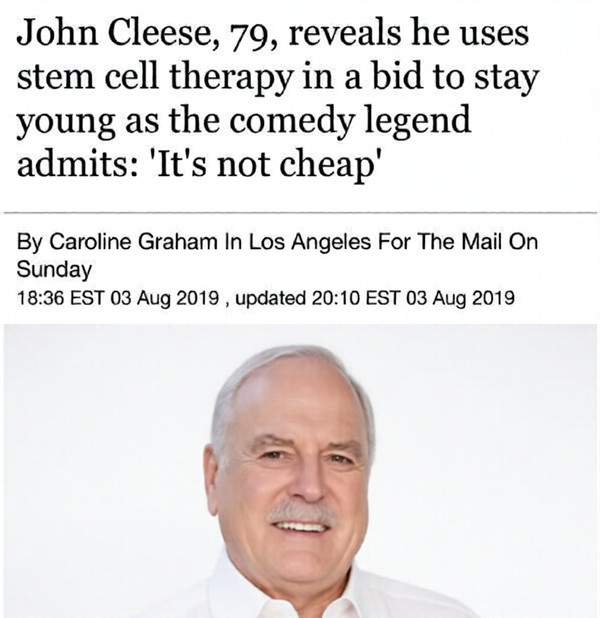
At 88, William Shatner can hike continuously for 3 hours after treatment; former Philippine President Joseph Estrada showed a youthful state at 68 after treatment. Athletes such as Kobe Bryant and Cristiano Ronaldo have extended their sports careers through stem cell therapy, confirming the technology's effectiveness.

(3) Resource Advantages: "Priority Access" to Information and Channels
The wealthy's core advantage lies in their control over information and channels: Silicon Valley tycoons prioritize access to R&D results through investment, Hollywood celebrities obtain customized plans via private doctors, and Southeast Asian tycoons experience innovative therapies through cross-border medical services.
The circle demonstration effect accelerates dissemination: cases such as Madonna and Singaporean real estate tycoons drive follow-up within the circle, and their investments further promote the clinical transformation and safety upgrading of the technology.
3、 Diverse Application Practices of Stem Cell Therapy
Practices by celebrities and the wealthy at home and abroad have confirmed the diverse value of stem cell therapy, expanding its influence beyond the high-end circle.
(1) Anti-Aging Field: The "Age-Defying Secret" of Celebrities and the Wealthy
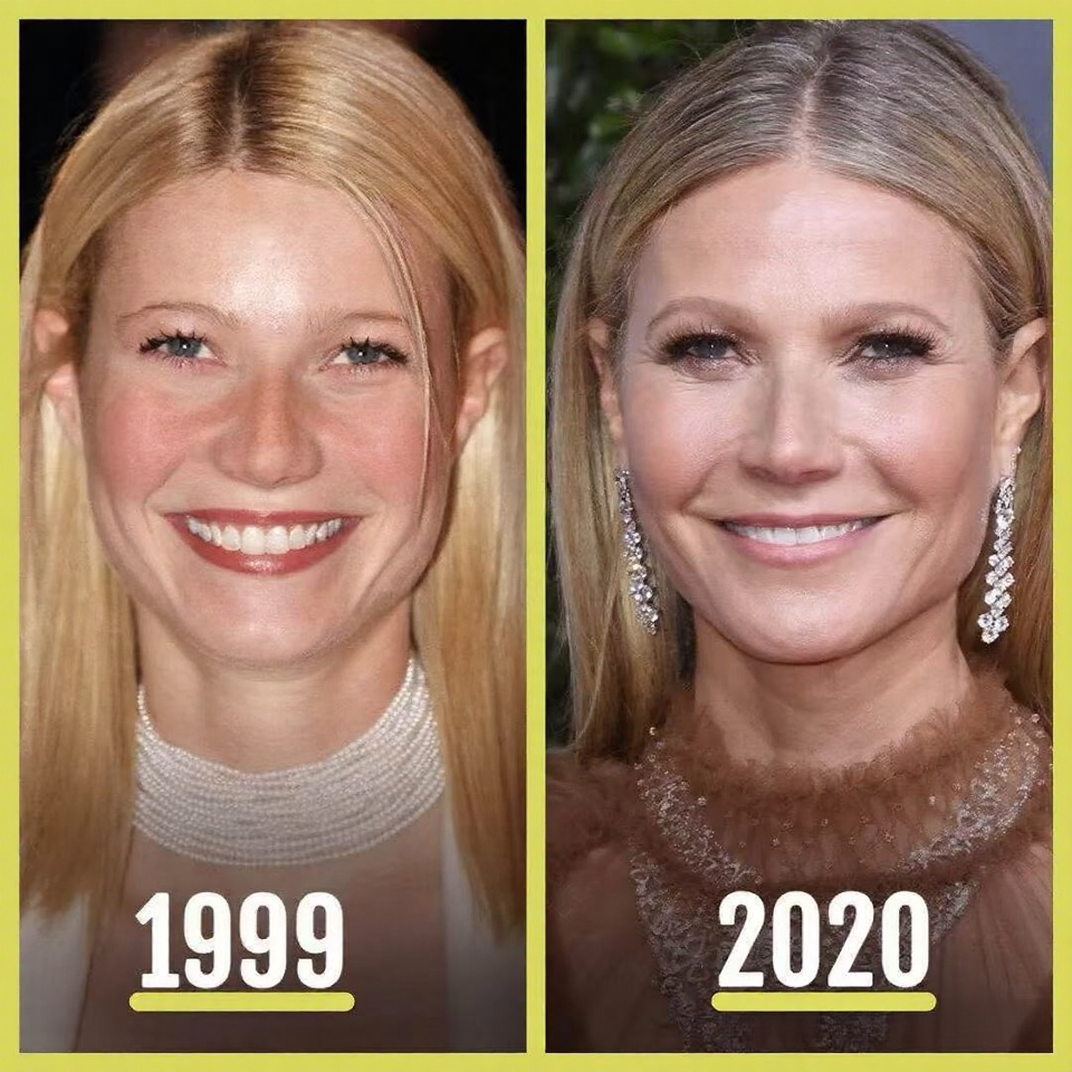
The anti-aging field is the most popular: the facial anti-aging project recommended by Gwyneth Paltrow costs 20,000 USD per session and is still in short supply; the president of a Hong Kong entertainment group invests 800,000 HKD annually in a customized family package, achieving physical examination indicators superior to those of young people.
(2) Sports Injuries: The "Recovery Accelerator" for Athletes
The effect of sports injury repair is remarkable: Rafael Nadal won the championship 45 days after treating plantar fasciitis; LeBron James recovered from an ankle ligament tear in 3 months, shortening the recovery period by nearly 50%; a domestic skier won a Winter Olympic bronze medal after treating cartilage wear.
(3) Severe Illness Recovery: The "Beacon of Hope" for Creating Medical Miracles
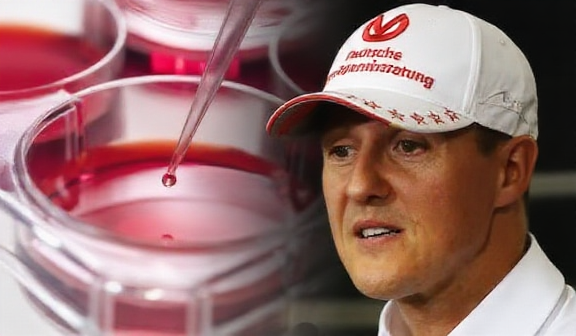
Severe illness recovery has created miracles: after Michael Schumacher's traumatic brain injury, his family invested 120 million euros in neural stem cell transplantation, and he woke up 6 years later; real estate tycoon Bob Weeks suffered from Parkinson's disease at 45 — his symptoms disappeared 6 months after treatment, and he even completed a 1,400-kilometer bike ride.
(4) Chronic Disease Intervention: A "New Path" Breaking Through Traditional Treatment
Chronic disease intervention breaks through tradition: Christy Chung, a popular star in the 1990s, hopes to repair ovarian function through stem cells to restore her youthful state. Clinical trials at German hospitals show that 68% of heart failure patients experienced significant improvement in cardiac function after treatment, attracting participation from European royal families and entrepreneurs.

4、From "Wealthy Privilege" to "National Welfare"
The popularization prospect is clear: costs have dropped by 60%-85% in a decade, mainly due to 3D bioreactors increasing production and universal stem cells enabling large-scale production. China's 14th Five-Year Plan proposes launching 3-5 stem cell drugs by 2027, and the US fast-track approval process will also expand applications.Medical security is gradually adapting: Japan has included some therapies in commercial insurance (30% out-of-pocket payment), Singapore is piloting reimbursement, and it will become a standardized health service in the future.
The wealthy's pursuit of stem cell therapy is essentially a pioneering exploration of health management. Their economic strength and resource advantages make them frontline experiencers; clinical feedback and investments promote technological maturity, providing key support for efficacy verification and risk avoidance.Its more far-reaching significance is promoting the transformation of health concepts from "passive treatment" to "active intervention". Logics such as anti-aging at 30 and early intervention for injuries will become the mainstream of national health management.It should be clarified that stem cell therapy is not a "panacea" — it has clear indications, and even the wealthy screen compliant institutions when making choices. This rational exploration provides important guidance for the standardized development of the industry.
END
 Chinese
  English
  Japanese